With AI, impersonation has quietly become one of the biggest risks in online dating. A recent ClarityCheck survey of more than 4,000 app users found that 68% had come across fake profiles in the past six months, often involving stolen images or unverifiable phone numbers.
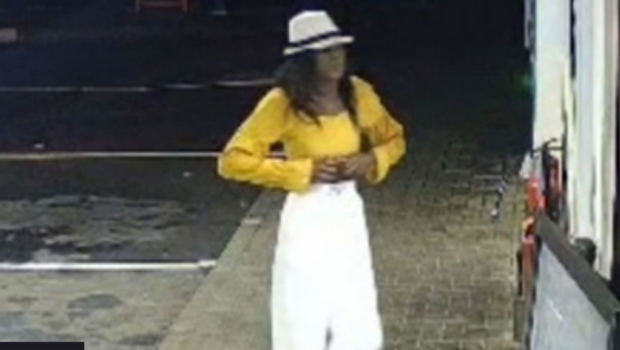
Mauritius recently saw a stark example of this. A German tourist was lured on Tinder by someone he believed to be a woman, only to discover too late that it was an impersonator who robbed him during their first meeting. The case made headlines and highlights how convincing fake profiles can seem until they're tested against reality.
For daters everywhere, stories like this are reinforcing a new baseline: no contact without verification. Whether it's checking a photo, tracing a phone number, or—as we do—making sure to meet every member face-to-face on a short video call and collecting IDs, these precautions are no longer just about peace of mind. They are becoming the foundation of safe and authentic connections in a digital dating landscape where appearances can be easily manufactured.
Mauritius recently saw a stark example of this. A German tourist was lured on Tinder by someone he believed to be a woman, only to discover too late that it was an impersonator who robbed him during their first meeting. The case made headlines and highlights how convincing fake profiles can seem until they're tested against reality.
For daters everywhere, stories like this are reinforcing a new baseline: no contact without verification. Whether it's checking a photo, tracing a phone number, or—as we do—making sure to meet every member face-to-face on a short video call and collecting IDs, these precautions are no longer just about peace of mind. They are becoming the foundation of safe and authentic connections in a digital dating landscape where appearances can be easily manufactured.